There Is Nothing Broken About You
Many of us experience anxiety, overthinking, and emotional distress at different times in our lives.
It can leave us wondering whether something is wrong with us.
The truth is simpler.
Our brains are doing exactly what they were designed to do. Once we understand how they work, we can become more emotionally balanced and make better decisions.
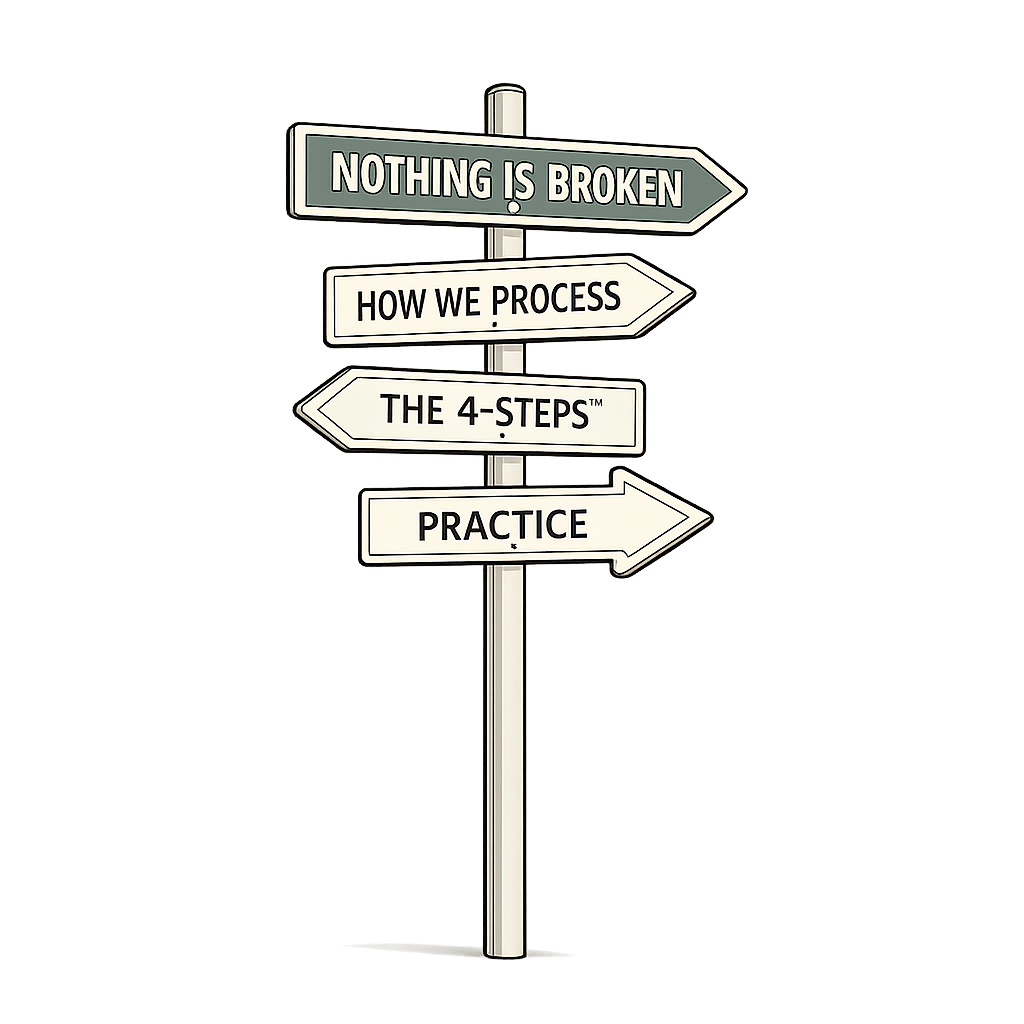
How We Process Our Experiences
Every moment brings experiences, from the world around us and from within our own bodies.
Our brain, body, and mind continuously process these experiences, shaping how we think, feel, and behave.
As we process our experiences, we recognize patterns, create meaning, and form beliefs about what is happening. Those beliefs shape our emotions and behaviors.
Understanding this process is the first step toward becoming more emotionally balanced.
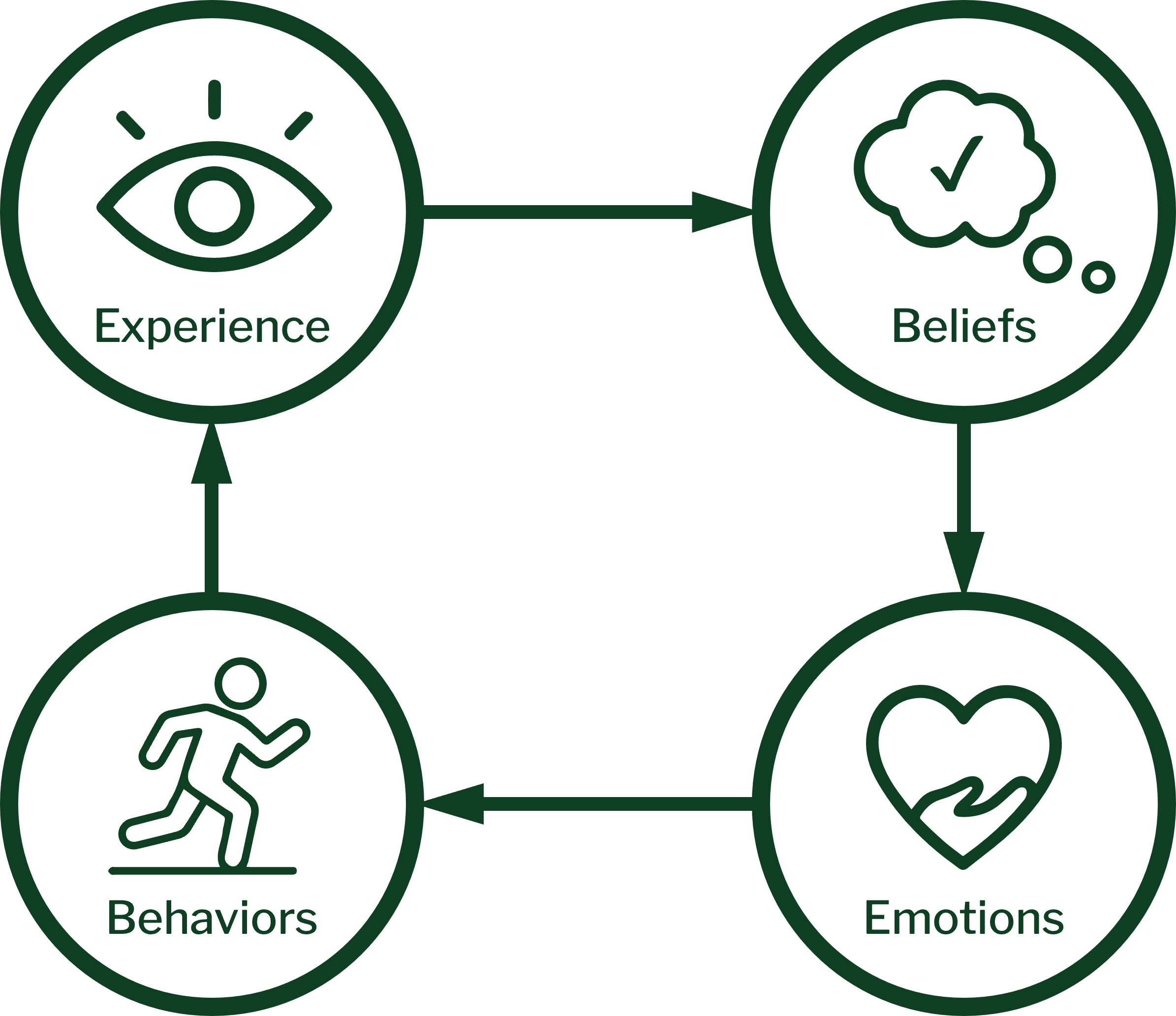 ExperienceBeliefsEmotionsBehaviors
Beliefs Shape Your Experiences
The same situation can lead to completely different emotions, depending on the beliefs through which it is interpreted.
While we cannot always change our experiences, we can learn to examine and reshape the beliefs that give those experiences their meaning.
That is where lasting change begins.
Changing Your Beliefs
The 4-Steps™ approach gives you an ordered process for doing exactly that: each step makes the next one possible.

Practice
Reading creates understanding. Practice builds the skill itself.
Guided exercises let you apply each of the four steps to your own everyday moments, so the method becomes something you do, not just something you know.
The App
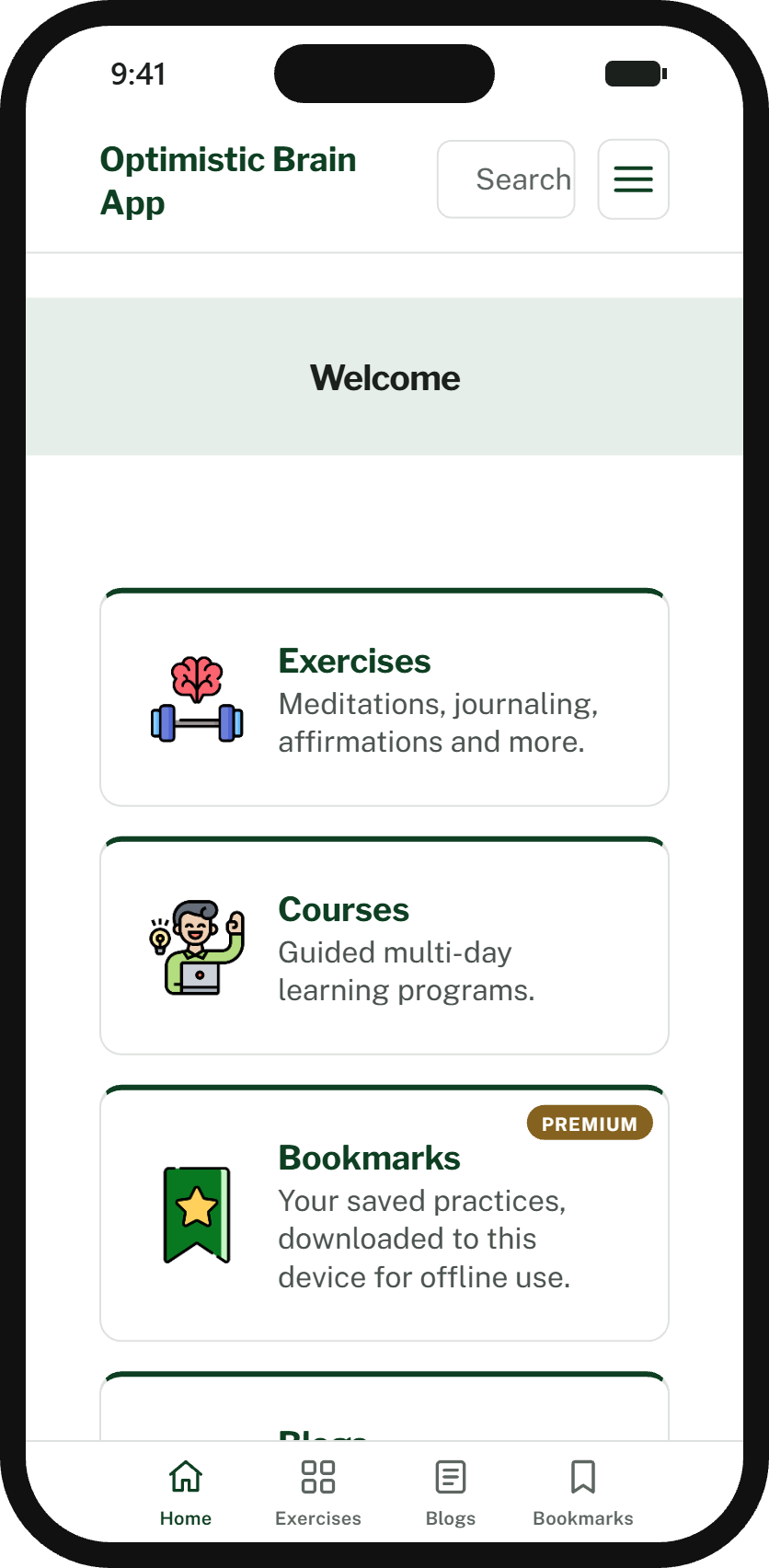
Practice Anywhere, Even Offline
The guided exercises, courses and articles of the 4-Steps™ approach, on your phone.
Add it to your home screen in a few taps, with no app store needed. Start with the free Intro Course, or go Premium for everything.
The Book
Choose the edition that best suits how we want to learn.
Both editions teach the same 4-Steps™. They differ only in depth.
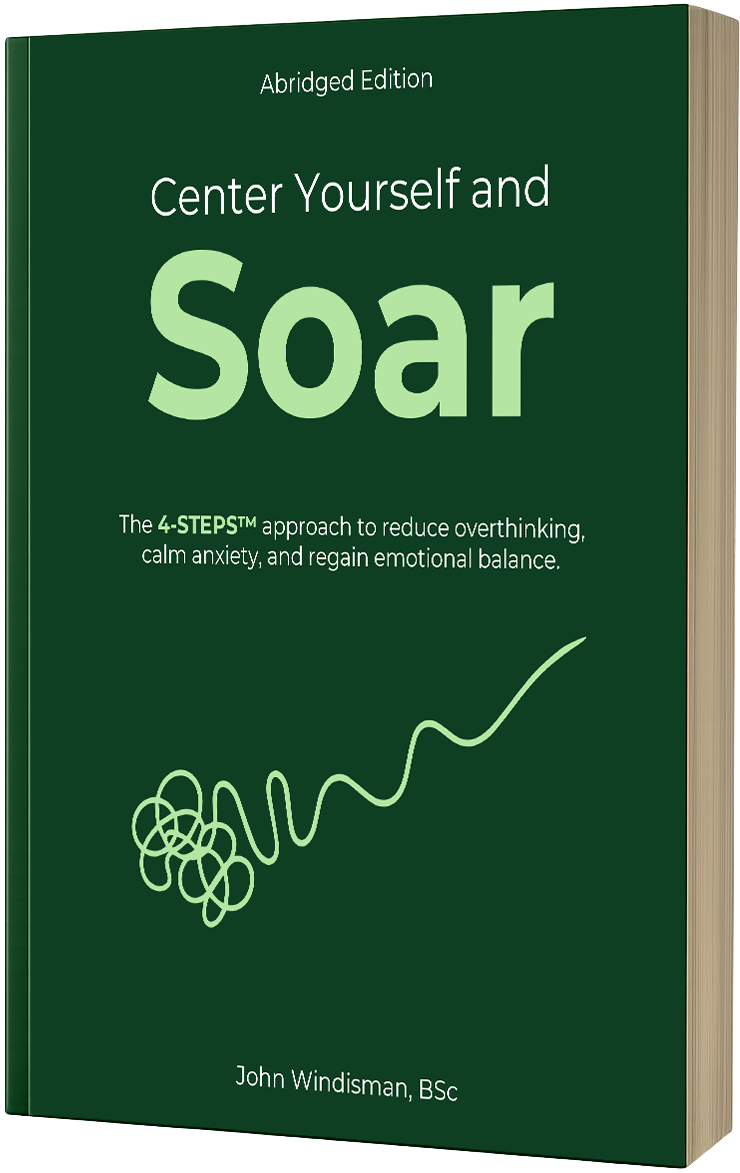
Abridged Edition: The complete 4-Steps™ method in a clear, practical form. The same approach as the Unabridged, with less of the science and academic detail.
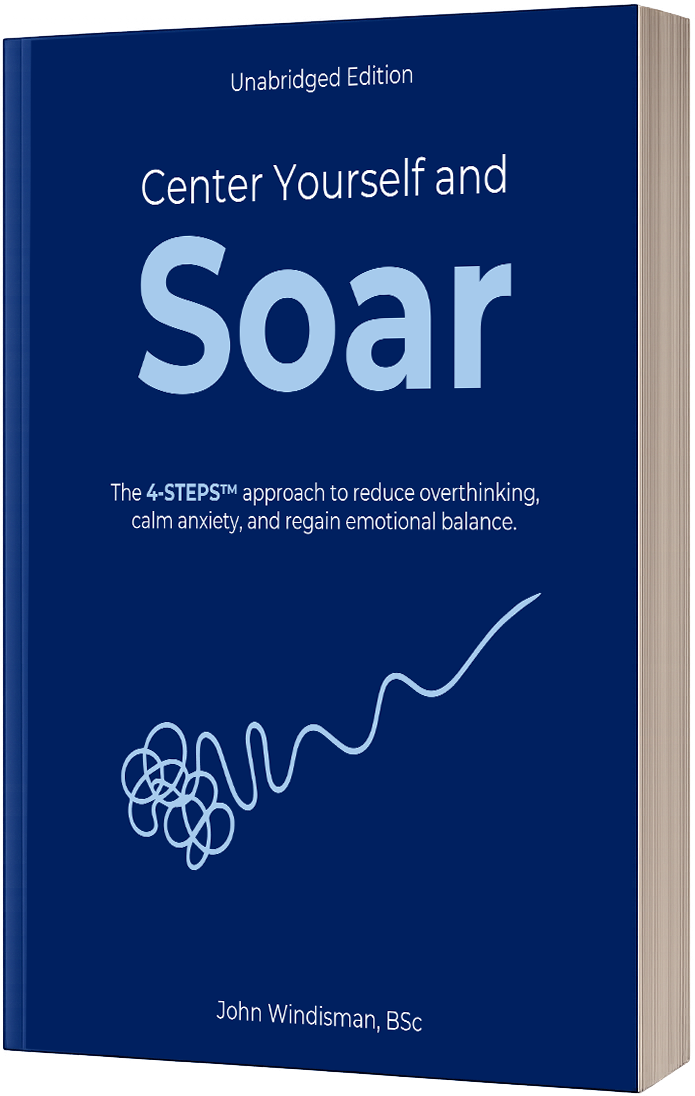
Unabridged Textbook Edition: A deeper exploration of the complete framework, supporting science, and practical applications.
Find out more about each edition, and which one is right for you.

Why This Method Exists
John Windisman built the 4-Steps™ approach out of his own recovery from anxiety.
He realized that understanding how his mind worked mattered more than trying to force his feelings to change.
Through Optimistic Brain, he shares that same understanding with anyone working with their own anxious, overthinking mind.
Free download
The 4-Steps™ Cheat Sheet
The whole method, at a glance.
Print it, pin it, or keep it on your phone for the moments you need it most.

Get your free copy. Enter your email and we’ll send you a quick confirmation link. Click it, and your Cheat Sheet downloads right away.
Articles
Continue exploring practical ideas, explanations, and insights.
-

The Science of Mindfulness
What the research actually supports about mindfulness, compassion, and belief change, why the order of the four skills is grounded…
Read more →
-

Reducing Stress and Increasing Well-Being with Mindfulness
We are almost always under some stress. What decides whether it sharpens us or drains us is what we believe…
Read more →
-

Mindfulness, Motivation and Goals
Motivation is not a resource you top up. It follows from what people believe about their own skills and the…
Read more →